
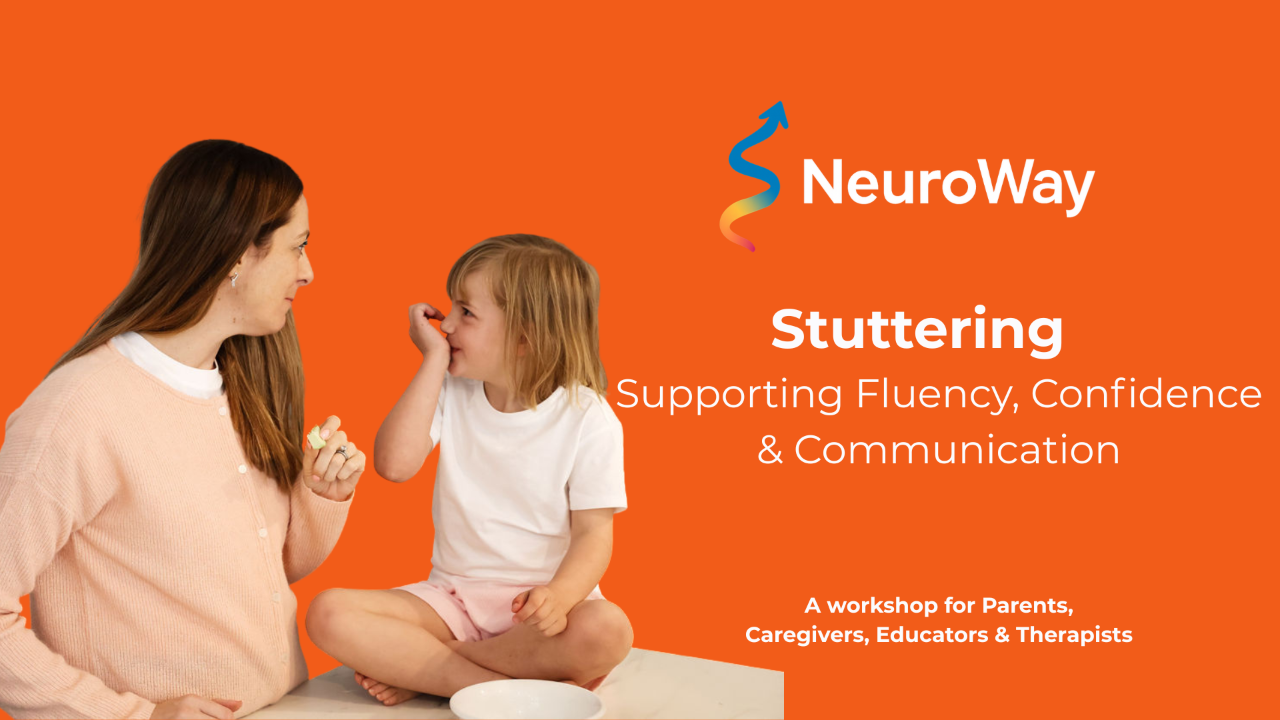
Stuttering: Supporting Fluency, Confidence & Communication
Stuttering can affect a child's confidence, participation, self-esteem and sense of identity, especially when they feel rushed, misunderstood, or unsure how others will respond.
This workshop offers clear, practical guidance to support fluency and communication wellbeing through a warm, evidence-informed, neuroaffirming approach.
Format: On-demand (90-day access)
Price: $120 AUD
Best for: Parents, carers, educators, support workers
About This Workshop
Stuttering can be confusing and stressful for families. Many parents wonder when to step in, how to help, and what approaches genuinely make a difference.
This workshop helps you understand:
-
how stuttering develops
-
why it changes from day to day
-
what supports fluency in practical, realistic ways
-
how to reduce communication pressure
-
how to protect your child’s confidence and self-worth
-
why early intervention should be prioritised
Children who stutter often work harder than we realise. They may deal with interruptions, worries about being understood, or moments of tension while trying to get their words out. Over time, these experiences can shape how they see themselves as communicators.
The research tells us that a 'wait and see' approach is not best practice. Choose to EMPOWER yourself to support your child's fluency journey with NeuroWay.
Reduce the Risk of Persistence
Early support can reduce the likelihood that stuttering becomes long-term and helps ease physical tension and effort in speech.
Support Confidence & Emotional Wellbeing
Without early guidance, children may develop avoidance behaviours or communication anxiety. Early support helps protect confidence, self-esteem and a positive communication identity.
Strengthen Fluency
Evidence-based intervention introduced early can gently improve fluency and support smoother, more comfortable speech without creating pressure or shame.
Enhance Participation & Quality of Life
Children who receive early support are more likely to participate confidently at school, in friendships and in everyday communication, influencing long-term social, emotional and academic wellbeing.
What You’ll Learn
By the end of this workshop, you will have a clear understanding of:
✔ What is Stuttering & why does it happen
Including speech motor processes, developmental factors and nervous system influences.
✔ What increases or reduces fluency
Such as communication pressure, pace, emotional load and environmental demands.
✔ Practical fluency-supporting strategies
Tools you can use at home and school to help speech feel easier and less effortful.
✔ How to respond in supportive, non-intrusive ways
Language, pacing and interaction techniques that strengthen confidence.
✔ How to create low-pressure communication environments
Helpful for daily routines, schoolwork, conversations, and new or stressful situations.
✔ When to seek additional support
What evidence-based intervention looks like and how to access it.
What Makes NeuroWay’s Approach Different
NeuroWay teaches in a way that is grounded, human and deeply respectful.
Our stuttering approach centres on:
-
emotional safety
-
communication confidence
-
reduction of pressure and tension
-
evidence-based fluency strategies
-
positive identity development
We do not shame, rush, or pressure children.
We support them to communicate with comfort, confidence and pride.