
Why & How To Tell Your Child They’re Neurodivergent
A meaningful, affirming conversation can help your child understand who they are, feel supported, and build confidence in their own identity.
Register now for $49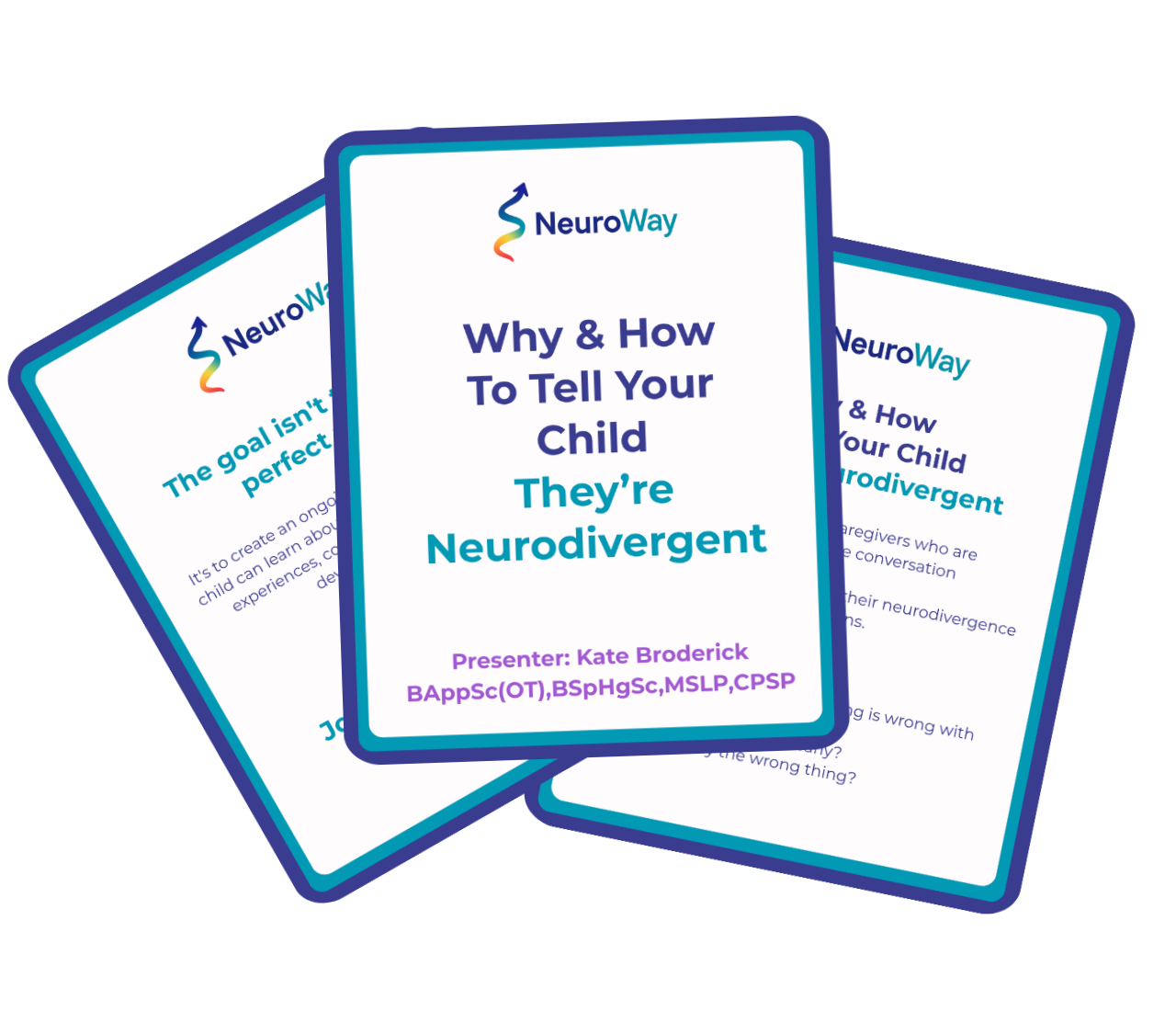
Are you wondering how to tell your child they’re neurodivergent?
Are you worried they might feel different, think something is wrong with them, or struggle to understand what their diagnosis means?
Do you find yourself wondering “Are they too young?” “What should I say?” or “What if I get it wrong?”
If you're asking these questions, you're not the only parent asking this. Many parents and caregivers worry about having this conversation, and want to make sure they approach it in the most supportive way possible.
Whether you're just beginning to explore your child's neurodivergence or they've already received a diagnosis, this webinar will help you approach the conversation through a neurodiversity-affirming lens.
Rather than focusing on what's “wrong” or what your child can't do, we'll explore how to help your child understand how their brain works, what they experience, their strengths and challenges, and what support they may need.
You'll learn how meaningful, age-appropriate conversations can help your child feel seen, understood, validated and empowered, while giving them language to communicate their needs and advocate for themselves.
This is a space for parents and caregivers who want to build confidence around these conversations, support their child's identity and mental wellbeing, and create an ongoing foundation of understanding, connection and acceptance.
What You'll Learn
During this workshop, we'll explore:
Why this conversation is an important one: Understand why talking openly about neurodivergence can help your child feel seen, understood, validated and supported, and why avoiding the conversation can sometimes make it harder for children to understand themselves.
When your child is ready: Explore why there is no single “right age” or perfect moment to talk about neurodivergence, and how you can begin these conversations from an early age using simple, age-appropriate language.
What to say and what to avoid: Learn how to use neutral, balanced and affirming language that helps your child understand their brain, strengths, challenges and support needs without reinforcing stigma or deficit-based thinking.
How to talk about identity: Understand neurodivergence as part of your child's individual identity while recognising that every child experiences their neurotype differently. Learn how to avoid labels, assumptions and functioning language that may not reflect your child's lived experience.
How to respond to questions and reactions: Discover how to follow your child's lead, validate their feelings and respond when they feel confused, upset, curious, or show little reaction at all.
Creating an ongoing conversation: Learn why telling your child they're neurodivergent isn't a one-time conversation. Discover how keeping the door open can support connection, self-understanding, self-advocacy and your child's changing needs over time.
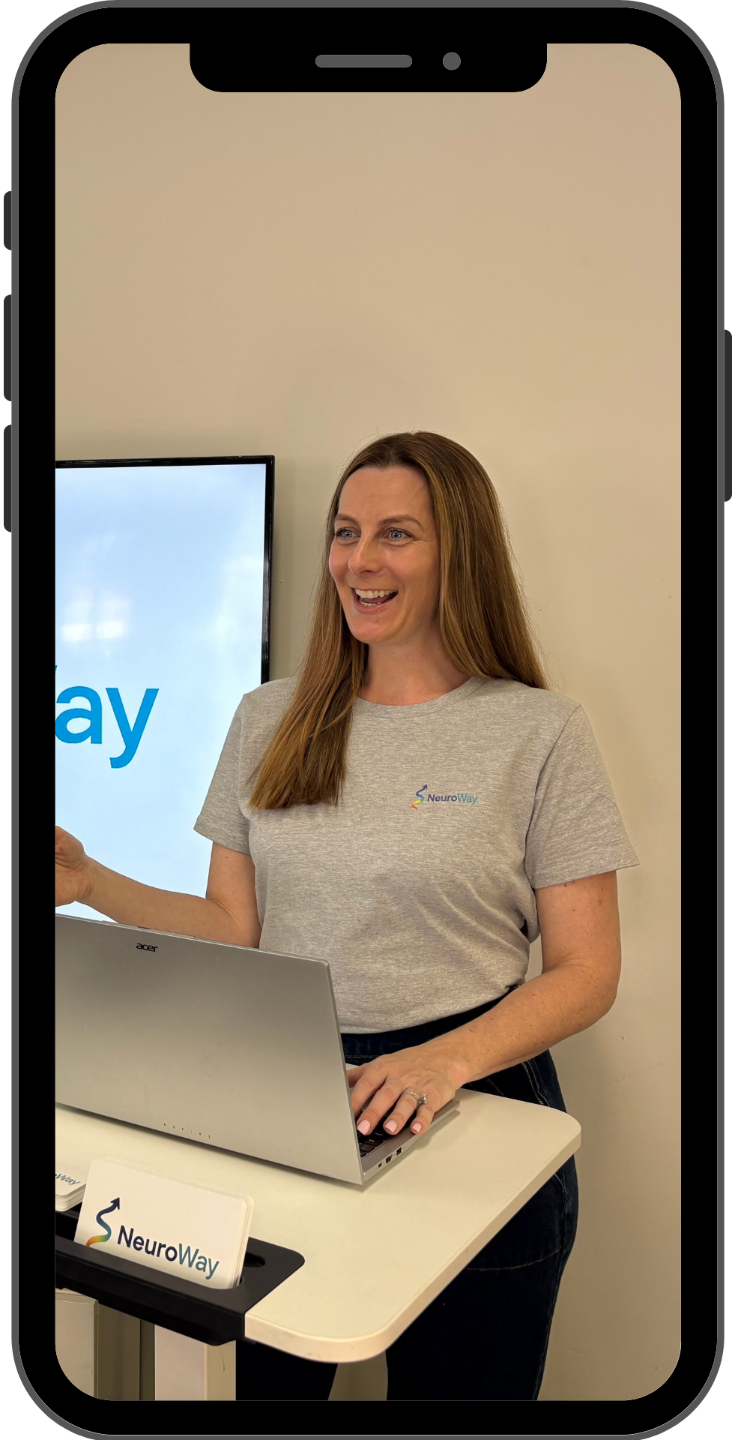
Meet Your Presenter
Kate Broderick is a dual-qualified Occupational Therapist and Speech Pathologist, founder of Spot Therapy Hub and NeuroWay, and mum of five.
With more than 20 years of experience working alongside children, young people and their families, Kate is passionate about helping neurodivergent children grow up with a strong, positive understanding of who they are and how their brain works.
Kate believes that conversations about neurodivergence shouldn’t be centred around what is “wrong” with a child. Instead, they can give children the language to understand their strengths, differences, needs and experiences, and help them feel seen, accepted and empowered to advocate for themselves.
Her approach brings together her clinical experience as both an OT and Speech Pathologist with a deeply neurodiversity-affirming, strengths-based and relationship-focused perspective.
In this workshop, Kate will support parents and caregivers to navigate conversations about neurodivergence and diagnosis with greater confidence, including when to start, what language to use, how to respond to questions, and how these conversations can evolve as your child grows.
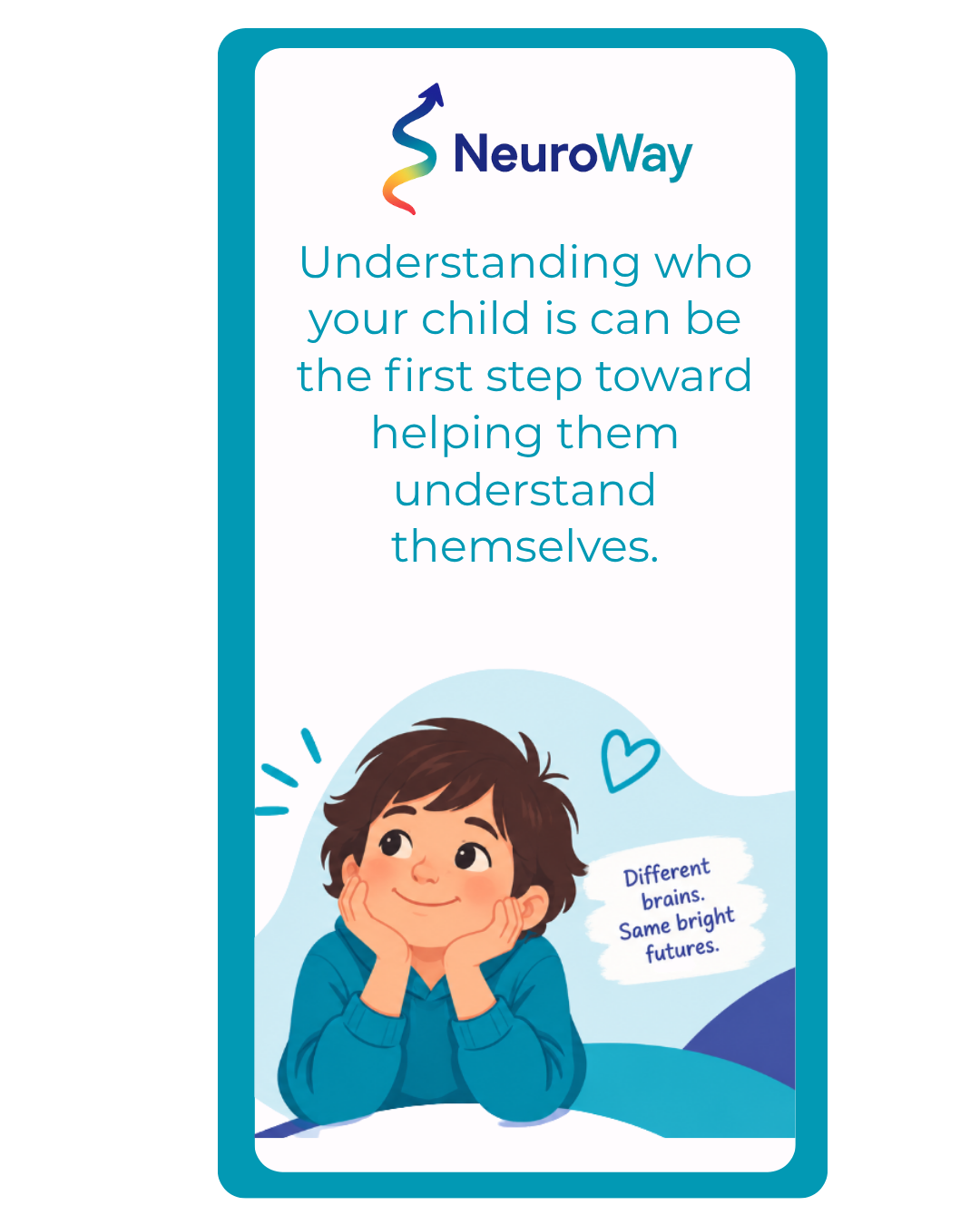
Ultimately, Kate’s message is simple: understanding who you are can be one of the most powerful foundations for self-acceptance, connection and wellbeing.