
Toilet Training: When It's Not So Straightforward
Thursday, 03 December 2026 @ 12:30 pm
Replay Available
Register now for $49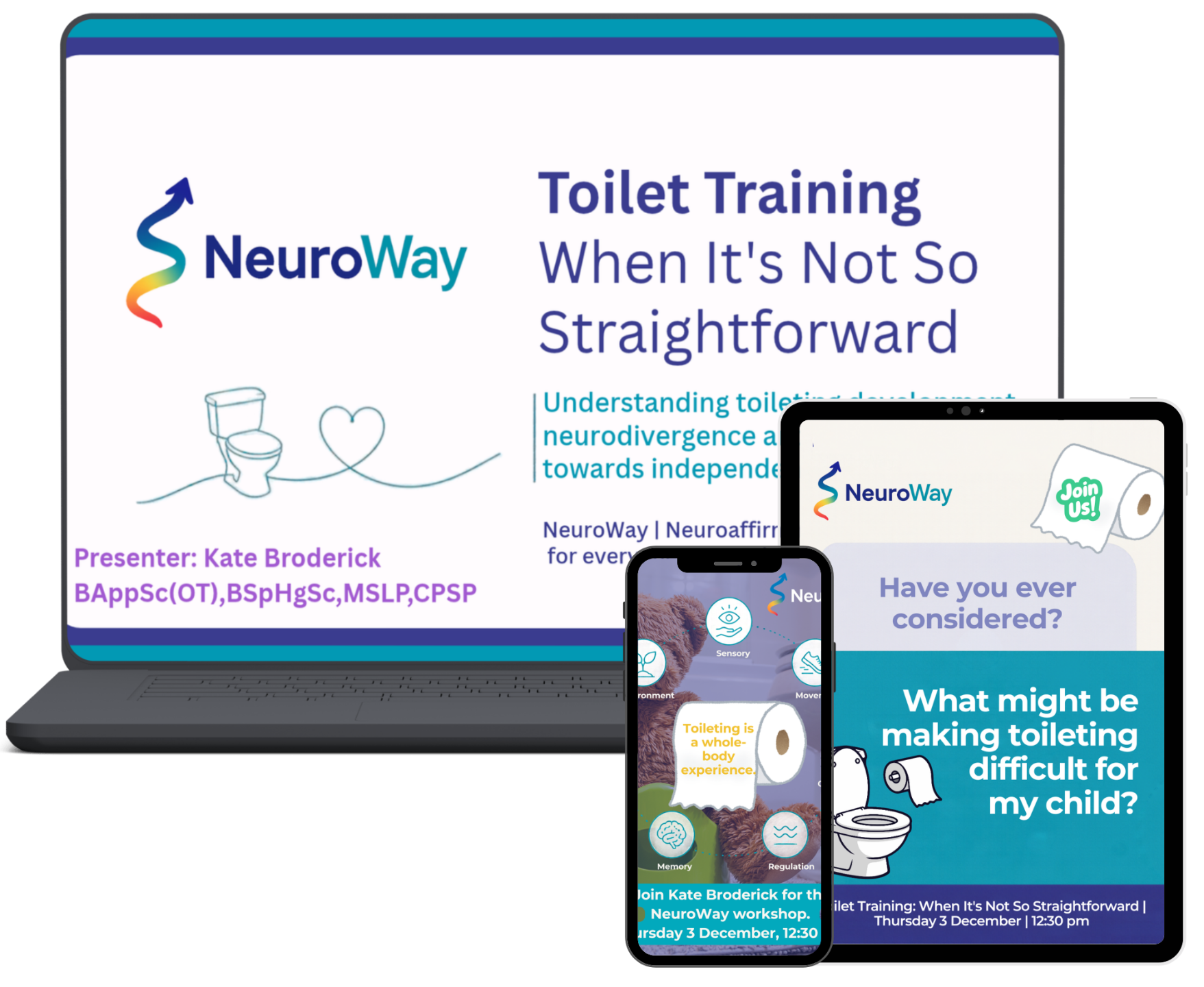
Are you wondering why toilet training feels so much harder for your child?
Are you worried they might never get there, that you’re doing something wrong, or that you’ve missed something important?
Do you find yourself wondering “Why won’t they just use the toilet?” “Is it the sensory side, or something physical?” and “What if pushing makes it worse?”
If you’re asking these questions, you’re not the only one. Many parents, carers and educators feel stuck when toilet training isn’t straightforward, and want to make sure they support the child in the most respectful, effective way possible.
Whether you’re just starting out, have been trying for years, or you’re supporting an older child who still needs help, this workshop will help you approach toileting through a neurodiversity affirming lens.
You’ll learn how:
- toileting skills develop,
- and how sensory processing,
- body awareness (interoception),
- movement,
- communication,
- emotional regulation and
- physical health, including constipation and withholding,
can all shape a child’s experience. We’ll look at the pressure, rewards and routines that can make things harder, and what to try instead.
You’ll leave with a clearer understanding of your child’s profile, practical ideas for making the bathroom more comfortable and accessible, and a step-by-step approach to building a safe, individualised plan, along with confidence about when to seek medical or professional support.
This is a space for parents, carers, educators and allied health professionals who want to understand before intervening, protect a child’s comfort, dignity and autonomy, and build a foundation of trust, so that toileting becomes safer, more comfortable and more accessible.
Thursday 3 December | 12:30 pm |Online
Presented by Kate Broderick, Occupational Therapist and Speech Pathologist
What You'll Learn
During this workshop, we'll explore:

Why toileting is more than toilet training: Understand how toileting draws on sensory processing, body awareness, movement, communication, emotional regulation, memory and physical health, and why difficulty in any one area can make the whole experience harder.

How toileting skills develop: Explore why children develop toileting skills at different rates, why readiness isn’t a simple checklist, and why progress isn’t measured only by dry underwear.

Body signals and sensory needs: Learn how interoception and sensory processing shape toileting, why some children don’t notice the need to go until it’s urgent while others find the sensations overwhelming, and how to make the bathroom more comfortable, stable and accessible.

Constipation, withholding and health: Understand why pain, constipation and withholding are common contributors, how they can affect both bowel and bladder, and when to seek medical advice, so you treat the cause instead of just the behaviour.

Why neurodivergence can make toileting different: Discover how autism, ADHD, motor coordination differences, communication differences and demand sensitivity can each influence toileting, and how to avoid one-size-fits-all formulas that don’t fit your child’s profile.

Building a safe, individualised plan: Follow a step-by-step approach to understanding your child’s current patterns, preparing the environment, breaking the task into small steps, supporting communication and reviewing what works.
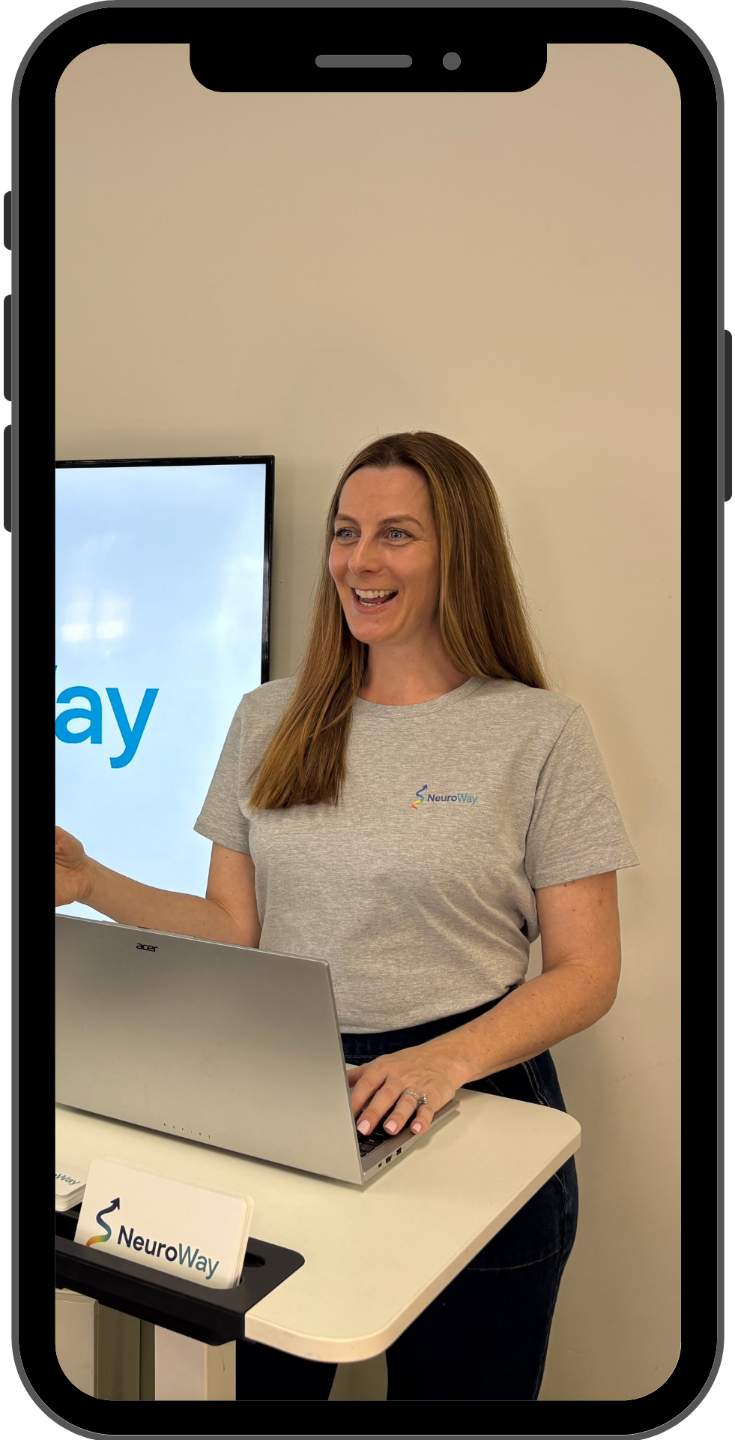
Kate Broderick
is a dual-qualified Occupational Therapist and Speech Pathologist, founder of Spot Therapy Hub and NeuroWay, and mum of five, with lived experience parenting neurodivergent and disabled children.
With more than 25 years of clinical experience working alongside children, young people and their families, Kate is passionate about helping families understand the whole child, so that neurodivergent children can be supported to feel safe, comfortable and respected in their own bodies.
Kate believes toileting challenges shouldn’t be centred around what a child is “doing wrong.” Toileting draws on sensory processing, body awareness, movement, communication, emotional regulation and physical health, so when it isn’t straightforward, the most helpful question is “What might be making this difficult for my child?”
Her approach brings together her clinical experience as both an OT and Speech Pathologist with a neurodiversity affirming, relationship-based and evidence-informed perspective, one that puts comfort, dignity and autonomy first.
In this workshop, Kate will support parents, carers, educators and allied health professionals to understand how toileting develops, why neurodivergent children may face extra challenges, and how to build a safe, individualised plan, including when to seek medical or professional support.
Ultimately, Kate’s message is simple: when we understand a child’s needs and remove barriers instead of adding pressure, toileting can become safer, more comfortable and more accessible.